Global Beer Intelligence
Understand the entire world of beer.
Not another check-in app. HOPPD connects every beer to its brewery, style, ingredients, method, region and history — from Franconian smoke malt to Ethiopian gesho, from alcohol-free lager to spontaneous fermentation.
Discover it. Understand it. Taste it. Brew it.
- Styles mapped
- 180+
- Brewing regions
- 94
- Ingredient profiles
- 1.2k
- Traditions documented
- 60+
The four movements
One product, four ways in.
HOPPD is built as a knowledge graph: beers connect to breweries, styles, ingredients, methods, regions and the people drinking them.
Discover
Personalised recommendations driven by your Beer DNA, not by crowd averages.
Understand
Every beer decomposed into style, grist, hops, yeast, water, method and history.
Taste
A passport that records what you drank, where, and how your palate is shifting.
Brew
Process knowledge from mash chemistry to fermentation control, explained clearly.
Tonight's intelligence
Beers worth understanding.
Each card carries the reason it matters — not a five-star average.
Foeder Nº7
Kade & Zoon
Bruges, Belgium
Blending across three foeder ages is what keeps acidity from overwhelming the caramel spine. Younger blend components supply residual sugar the older wood has fully consumed.
Kiln Floor Märzen
Rauchhaus Bamberg
Bamberg, Germany
Smoke intensity fades measurably over six months in package. Bamberg brewers historically brewed to be drunk fresh, so a 'balanced' bottle abroad is often just an aged one.
Kanro Zero Pils
Kanro Brewing
Tokyo, Japan
Soft brewing water (under 50 ppm sulphate) is why the bitterness reads round rather than snappy despite 34 IBU.
Milpa Criollo
Cervecería Milpa
Mexico City, Mexico
Nixtamalisation gelatinises starch and frees niacin — a food-science step borrowed straight from tortilla making, not from European brewing.
Harvest Wet Pale
North Fork Beerworks
Portland, United States
Wet hops are ~80% water, so brewers use five to eight times the weight of dried equivalents — and the beer's peak window is roughly three weeks.
Gesho Tella
Gesho Collective
Addis Ababa, Ethiopia
IBU is meaningless here — gesho bitterness comes from tannins and alkaloids that no isomerised alpha-acid measurement captures.
Ingredient intelligence
Beer is bigger than hops.
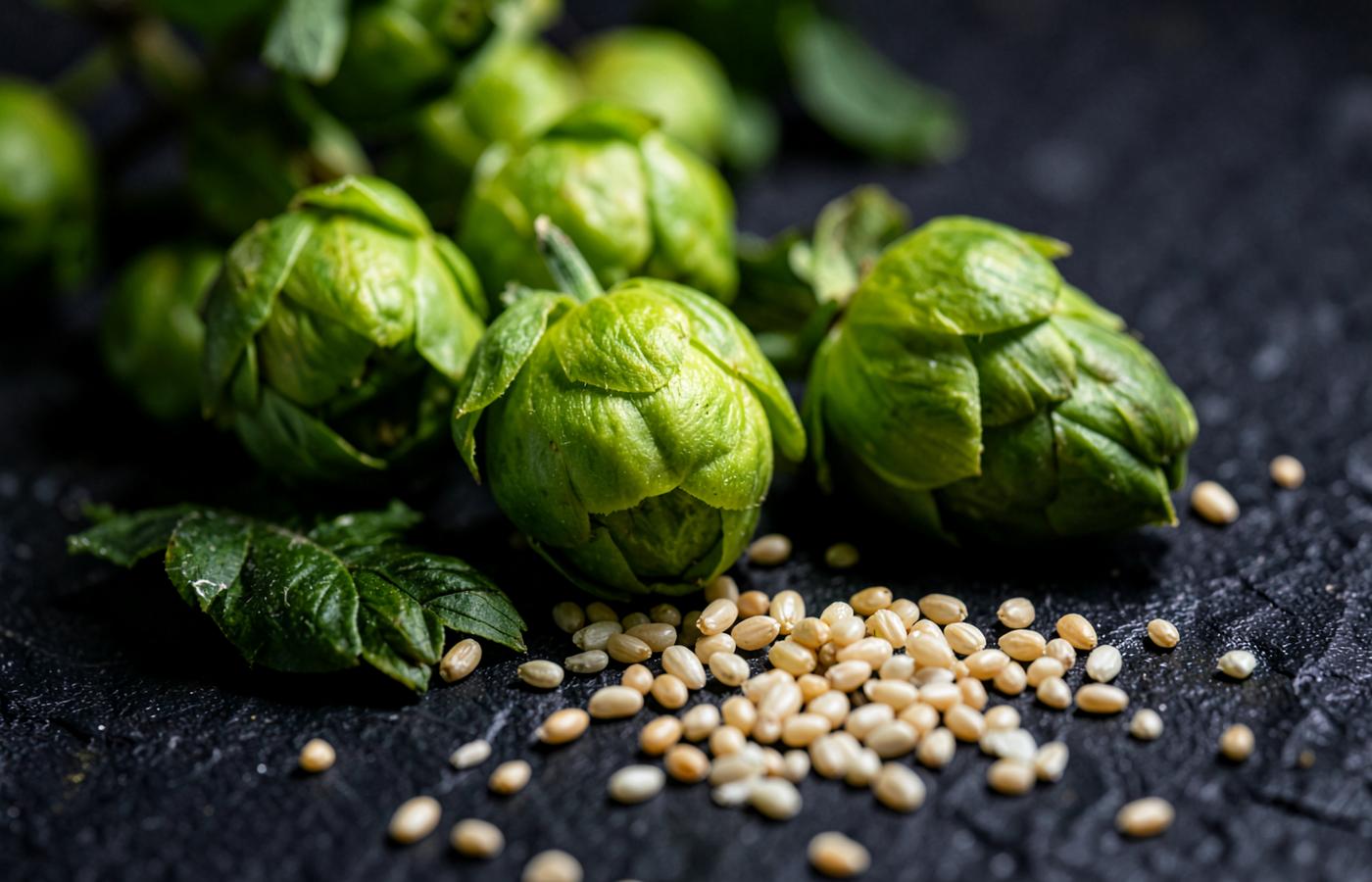
HOPPD's ontology covers hops, malts, yeasts, water chemistry and non-hop bittering traditions like gesho — because most of beer history happened without a hop cone.
Saaz
HopŽatec, CzechiaThe defining noble hop of pilsner. Low alpha acid means it flavours rather than dominates, which is why decoction-brewed lagers can carry heavy late additions.
Nelson Sauvin
HopNelson, New ZealandUnusually high in thiol precursors, which yeast can biotransform — the reason the same hop tastes different across yeast strains.
Gesho
AdjunctEthiopian highlandsA bittering plant used for centuries in tella and t'ej. Proof that beer bitterness has never been the exclusive property of hops.
Beechwood Smoked Malt
MaltFranconia, GermanyDirect-fired kilning deposits phenols on the husk. Percentage in grist, not intensity of smoke, is the main lever for balance.
Beer DNA
A taste profile that gets sharper every pour.
Six axes derived from what you actually drink and rate. It drives discovery, style suggestions and the beers we surface in each city you visit.
Beer Passport
Your drinking, documented.
Countries visited, styles unlocked, tasting notes worth re-reading — with shareable cards for the pours that earned it.
17
Countries
48
Styles
236
Entries
Style intelligence
From 1842 Pilsen to pre-Hispanic maize.
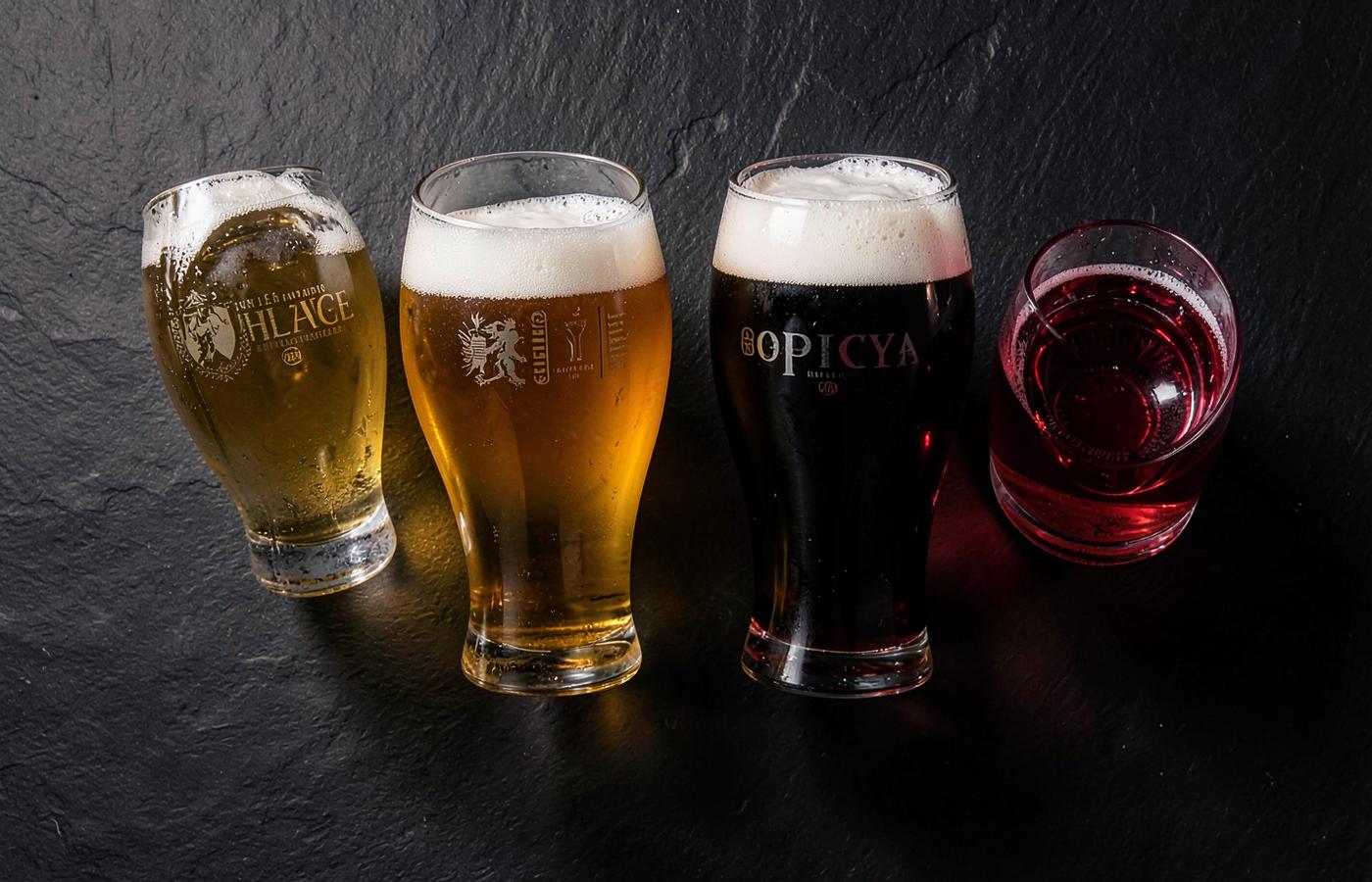
Styles are treated as living traditions with origin, era, technique and flavour architecture.
Oud Bruin
Belgium · 17th century
Aged brown ale where lactic acidity, dark caramel and oak converge over months in wood.
Rauchbier
Germany · 16th century
Smoke-kilned malt lager preserving the pre-industrial flavour of every beer before indirect kilning.
Pilsner
Czechia · 1842
The style that made pale beer global — soft water, floor malt, and a decisive noble-hop bite.
Heirloom Maize Ale
Mexico · Pre-Hispanic revival
Nixtamalised or raw native maize brewed in the lineage of tesgüino and pox traditions.
Fresh Hop Pale
United States · 1996
Brewed within hours of harvest with undried hops — a genuinely seasonal, perishable beer.
Tella
Ethiopia · Ancient
Household beer bittered with gesho leaf rather than hops, brewed from barley, sorghum or teff.
Alcohol-Free Lager
Global · Modern
Arrested fermentation and membrane techniques producing full-flavour beer under 0.5% ABV.
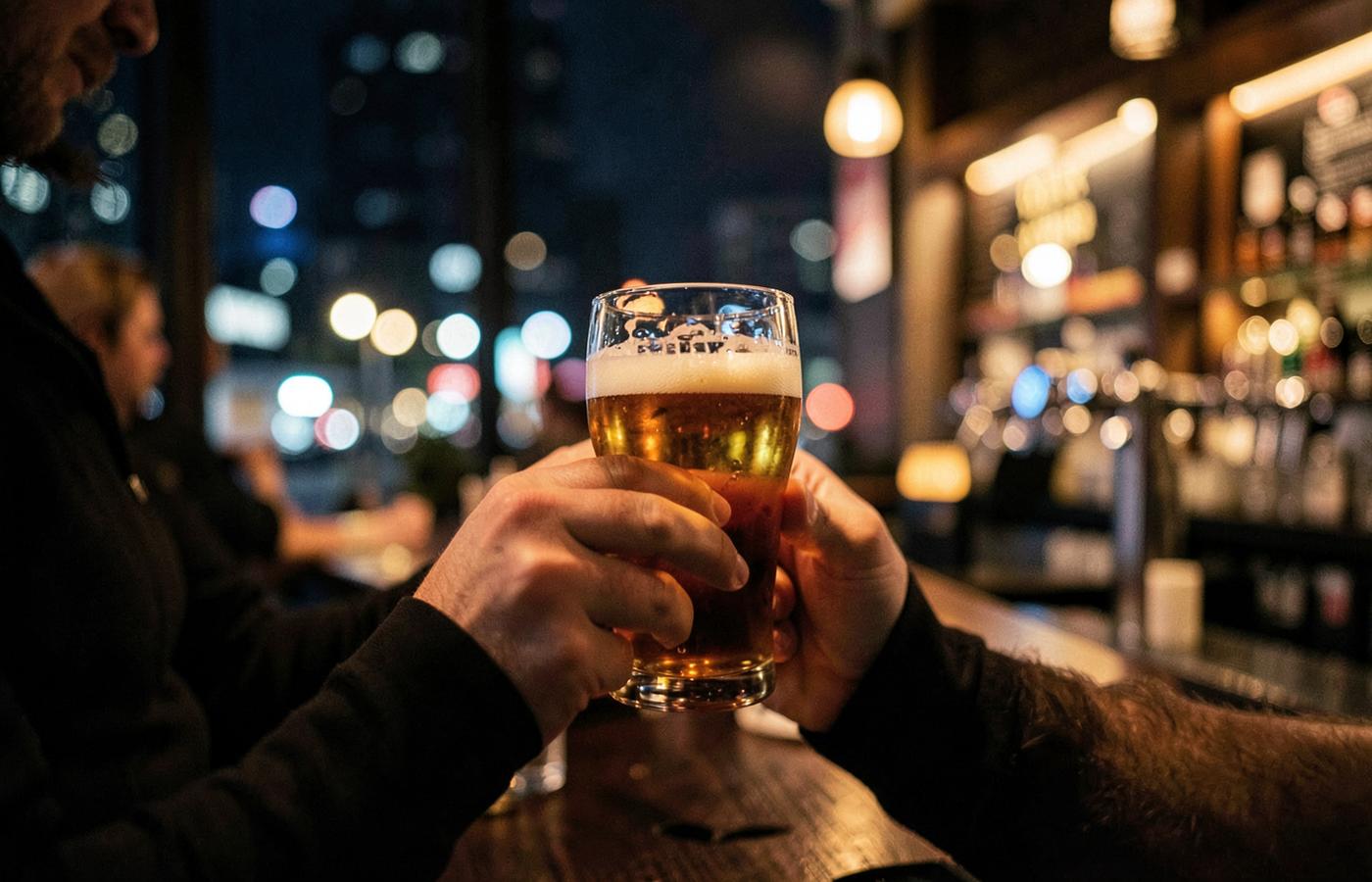
Ask anything about beer. Get an answer with sources.
The HOPPD intelligence engine reads the knowledge graph — so answers connect ingredient chemistry, brewing method and regional history instead of guessing.
Try beer intelligence